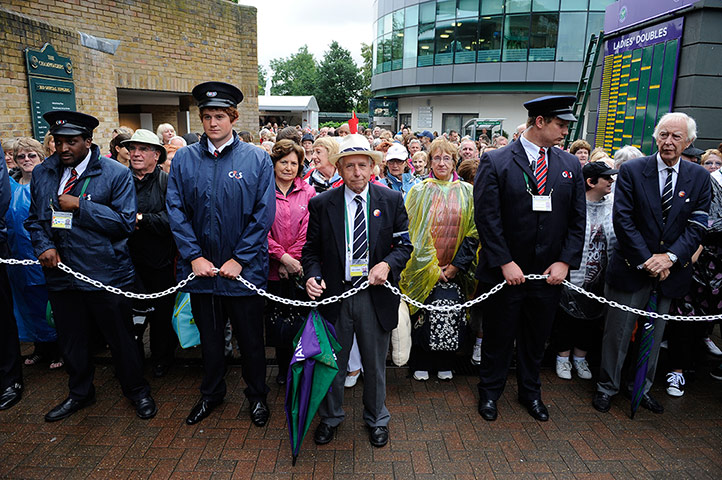
The queue to get to Murray Mount and witness the men's Wimbledon final is already bulging at 10.30am, such is the anticipation ahead of the match
Photograph: Tom Jenkins for The Guardian
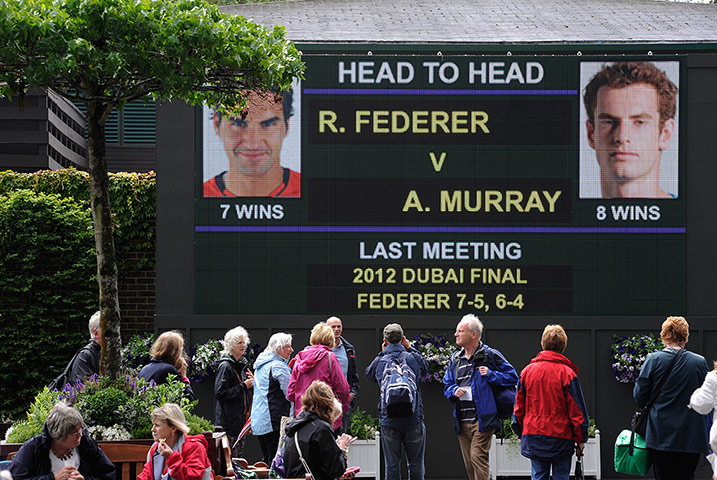
As the big screens shows, Murray actually has the edge over Federer in previous meetings. But he has never before beaten the Swiss at a grand slam tournament
Photograph: Tom Jenkins for The Guardian
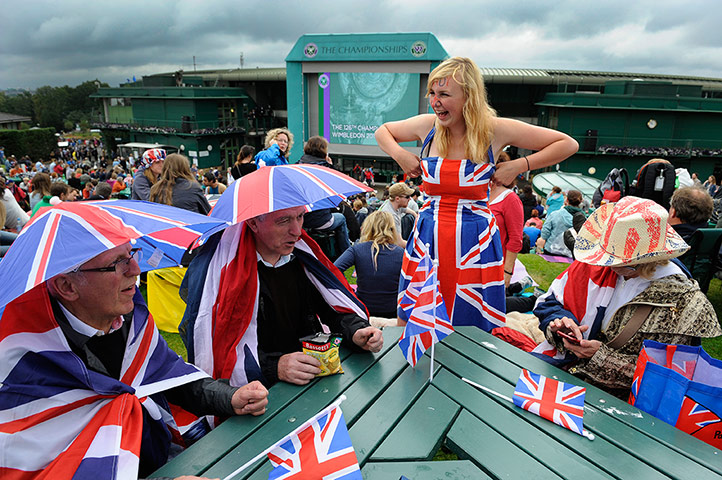
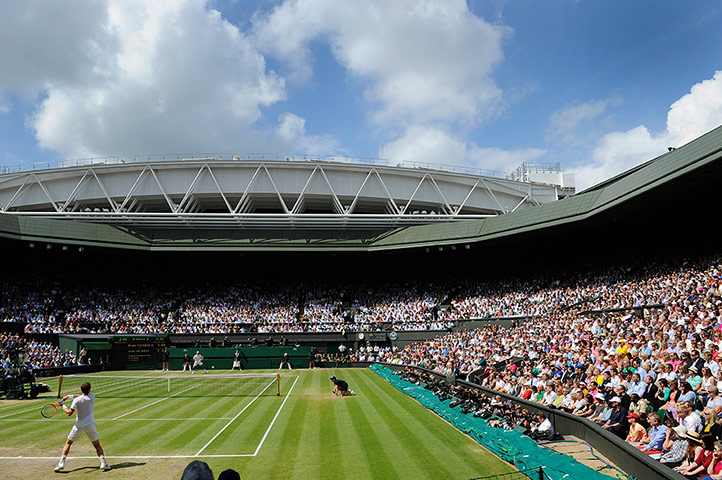
The fans outside centre court will be relieved that the rains are passing away and the game is going to be played without the roof - initially, at least
Photograph: Tom Jenkins for The Guardian
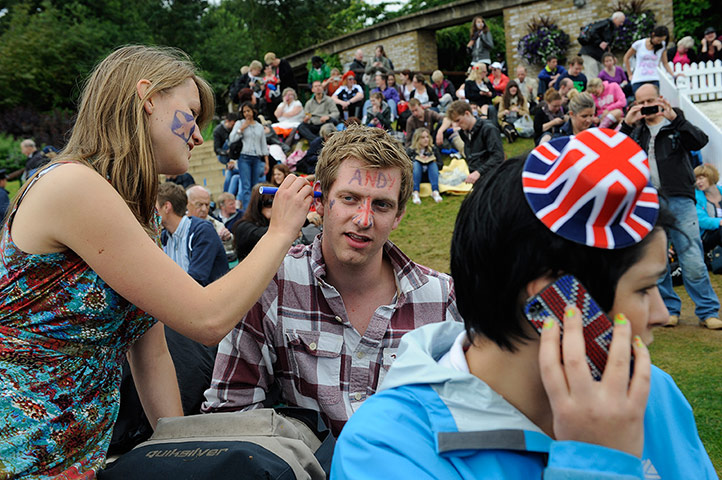
Time for a spot of face-painting
Photograph: Tom Jenkins for The Guardian
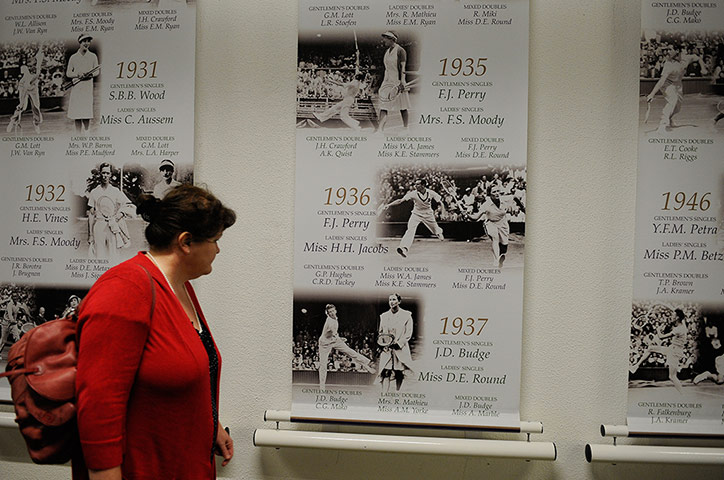
Not since Bunnuy Austin in 1938 has a Brit appeared in a grand slam final and not since Fred Perry in 1936 has a Brit won one
Photograph: Tom Jenkins for The Guardian
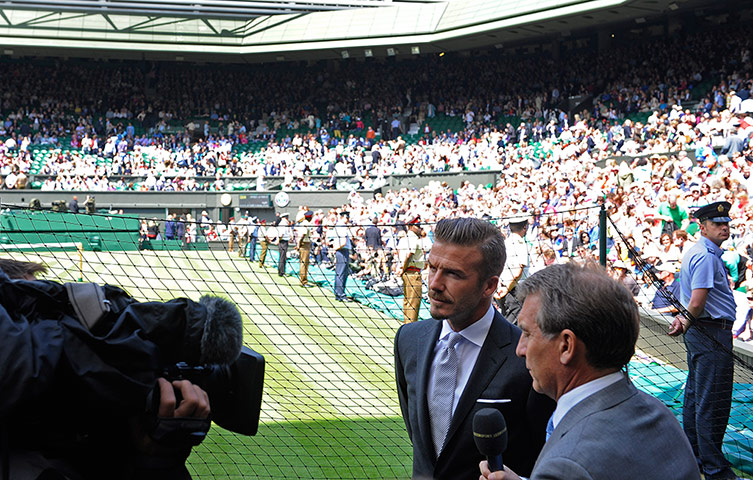
David Beckham is interviewed coutside before the game
Photograph: Tom Jenkins for The Guardian
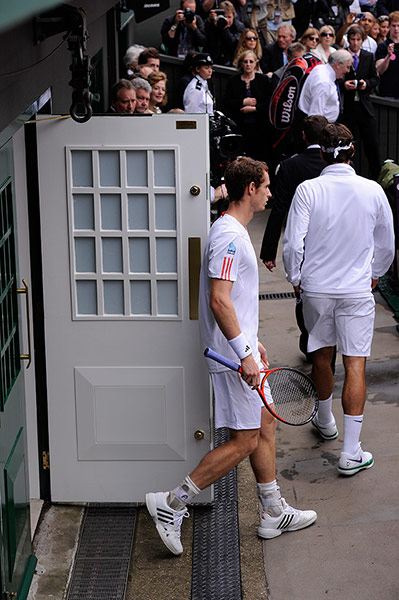
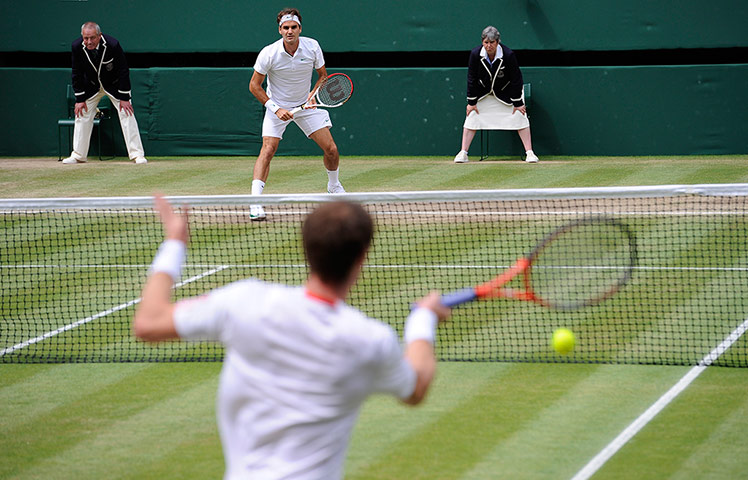
As Murray and Federer emerge onto the court, the Scot seems energetic. He has his racket in hand and is bouncing around. After three previous grand slam finals in which he's never won a set, he looks eager to begin. Federer, meanwhile, looks positively relaxed
Photograph: Tom Jenkins for The Guardian
Murray's challenge begins quite remarkably ... he breaks his opponent in the opening game of the first set
Photograph: Tom Jenkins for The Guardian
But Federer breaks back midway through the first set, leaping onto Murray's powerful first serves and then defying him at the net
Photograph: Tom Jenkins for The Guardian
Game eight is punishing for both players. It lasts more than ten minutes as the pair save game point after game point ... finally Murray wins it when Federer nets Photograph: Tom Jenkins for The Guardian
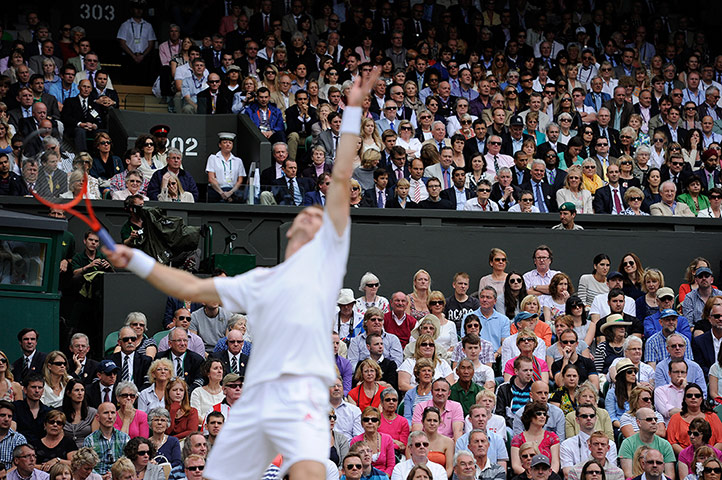
Game nine is the antithesis. Murray sweeps his way through Federer's service game. He then serves out the next game in rapid fashion to win the opening set 6-4
Photograph: Tom Jenkins for The Guardian
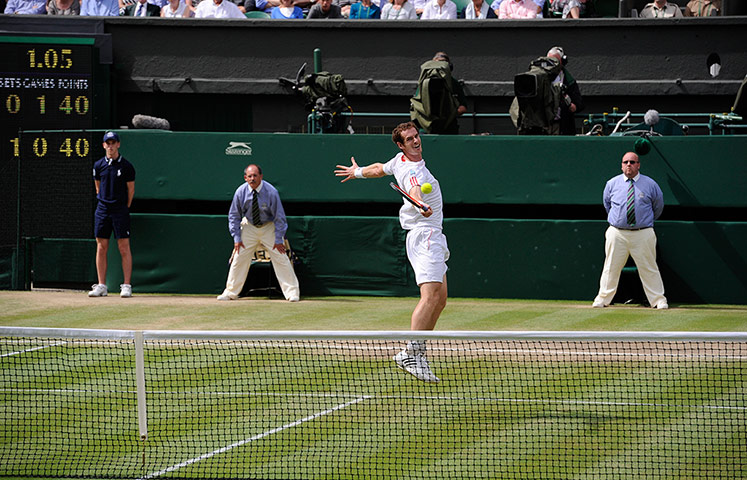
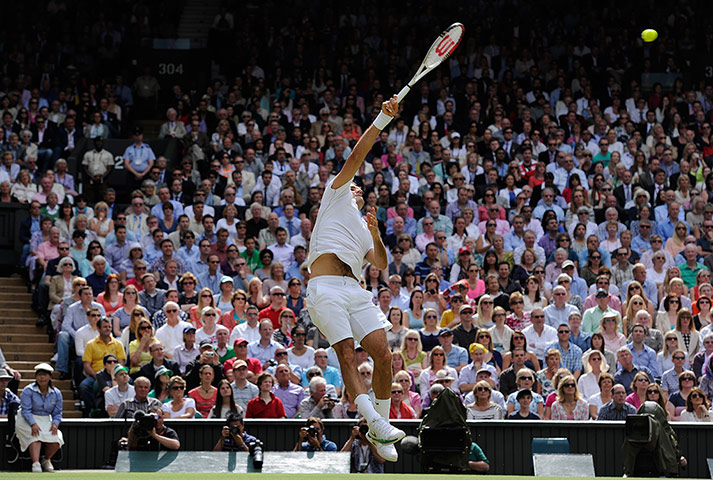
The second set is another cagey affair. Only in the final game of the set does Federer unpick Murray with two moments of genius. A deft forehand volley and an audacious backhand sliced volley earn him the second set 7-5
Photograph: Tom Jenkins for The Guardian
Agony for Murray. He was 30-0 up in that game, but could do nothing to rival those magical moments from Federer. It's now one set apiecePhotograph: Tom Jenkins for The Guardian
The players hold serve at the start of the third set
Photograph: Tom Jenkins for The Guardia
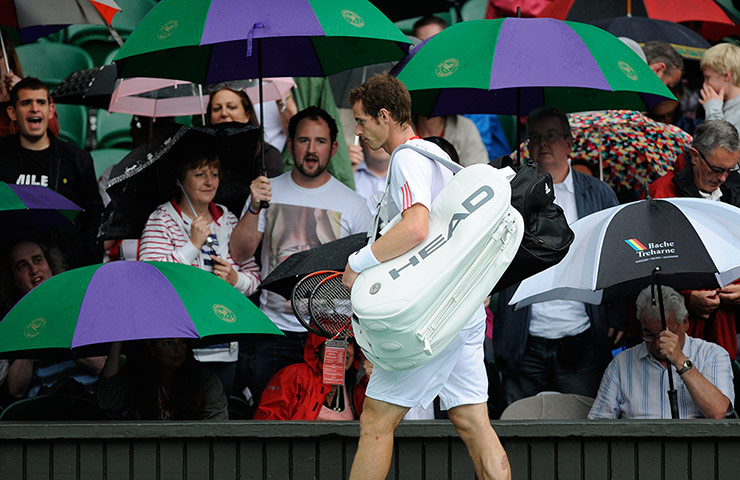
But rain soon begins to fall. The covers are quickly pulled over and, predictably, it's soon announced that the roof will be closed. Murray must be the more thankful for the interlude, even though this match is evenly poised (6-4, 5-7, 1-1)
Photograph: Tom Jenkins for The Guardian
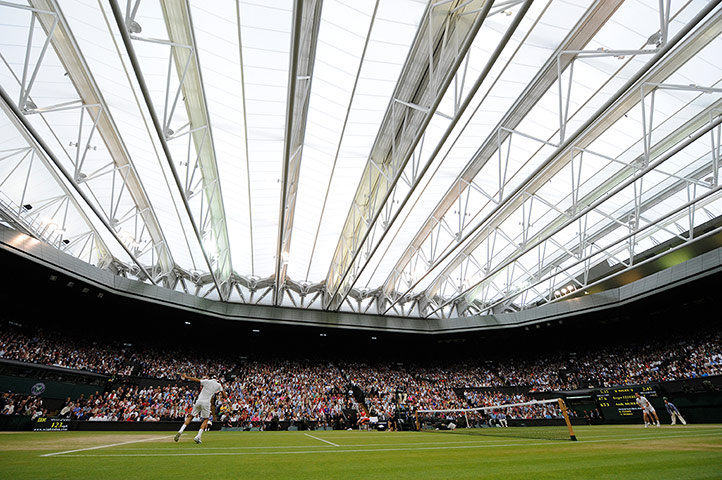
Play resumes under the roof
Photograph: Tom Jenkins for The Guardian
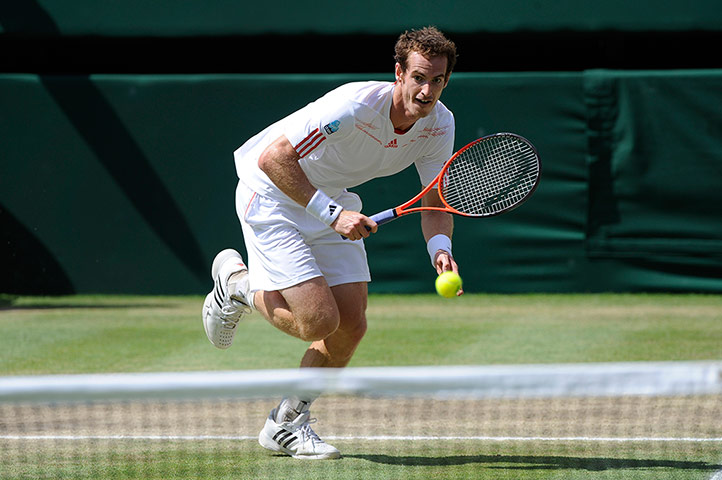
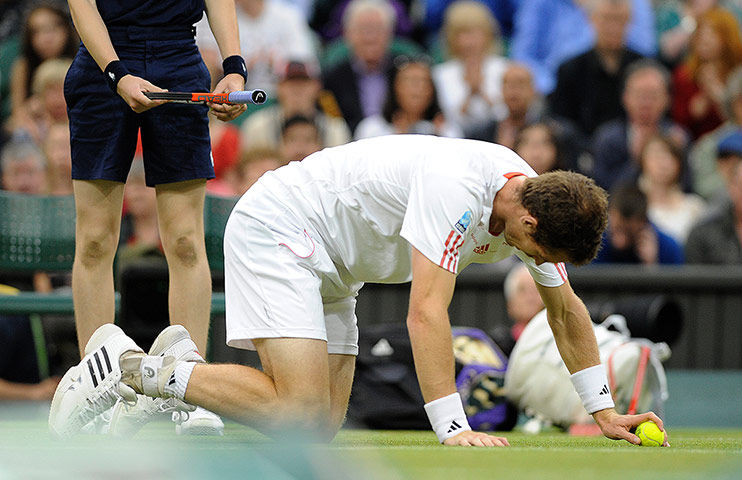
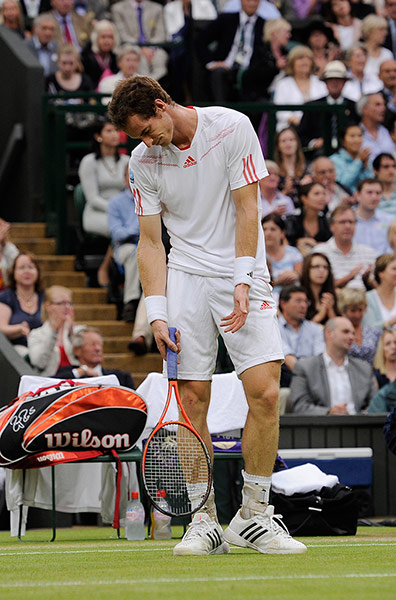
Murray tumbles to the ground awkwardly in game six of set three. And his chances tumble with them when, after 20 minutes of attrition, Federer breaks his serve and wins the game
Photograph: Tom Jenkins for The Guardian
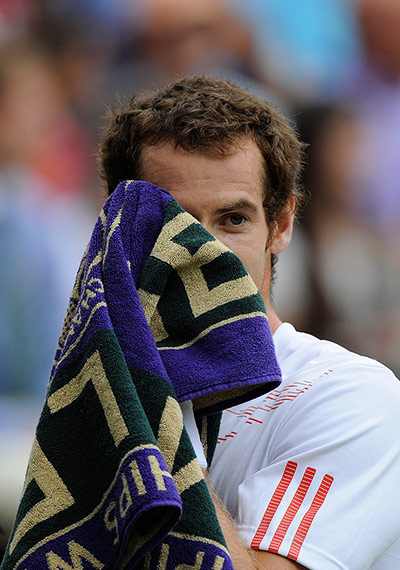
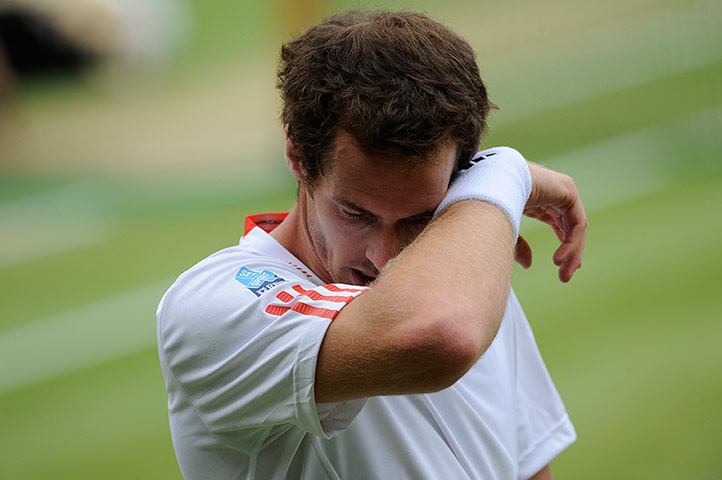
Murray looks dejected in the fourth set as Federer once more breaks him ...
Photograph: Tom Jenkins for The Guardian
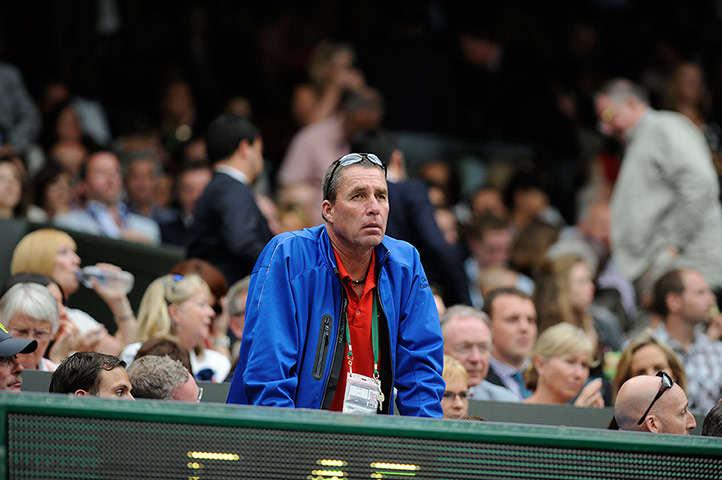
While his coach Ivan Lendl looks worried
Photograph: Tom Jenkins for The Guardian
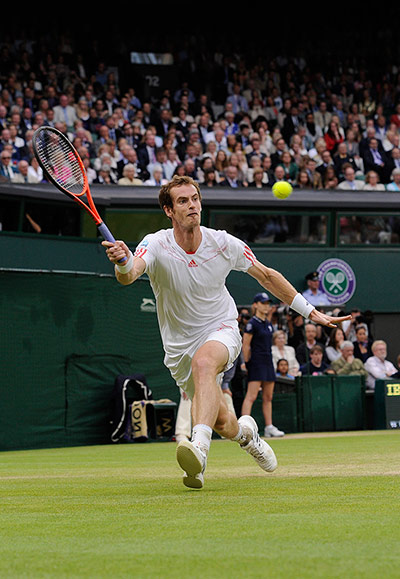
And there seems no way back as Federer closes in on Championship point, pushing Murray around the court at every opportunity
Photograph: Tom Jenkins for The Guardian
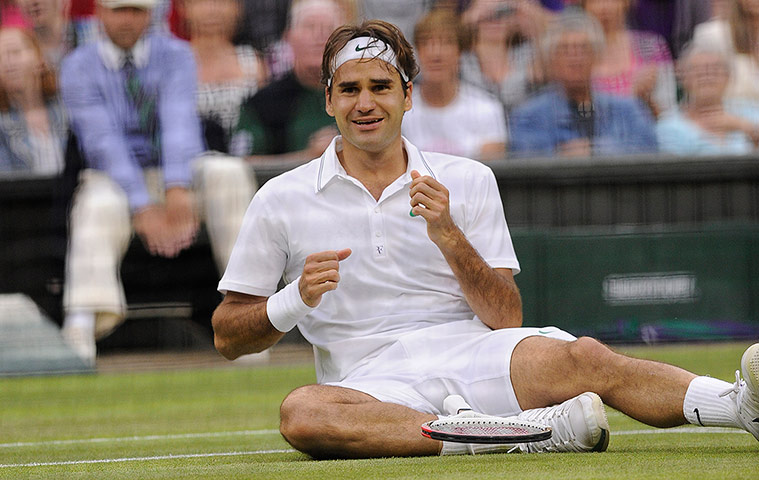
Murray saves the first Championship point but Federer wins the second to earn his seventh Wimbledon title, his 17th major title and, if that wasn't enough, he regains the number one world ranking
Photograph: Tom Jenkins for The Guardian
It's all over for Murray. Four grand slam finals, four defeat (and this is his third to Federer)
Photograph: Tom Jenkins for The Guardian
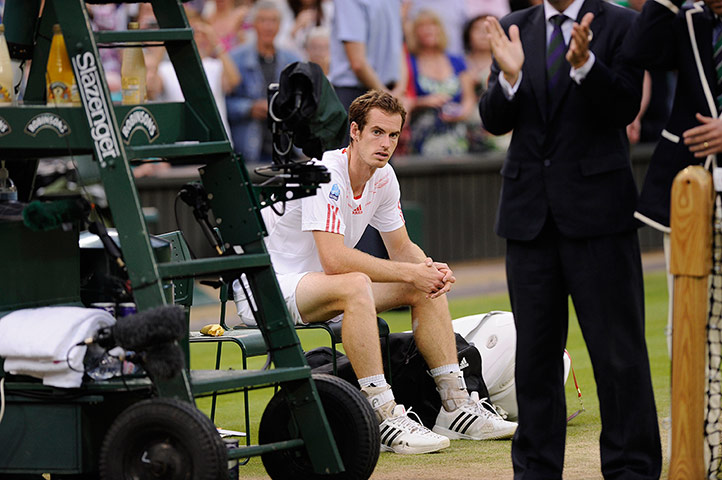
Murray cuts a despondent figure as he awaits the trophy presentation
Photograph: Tom Jenkins for The Guardian
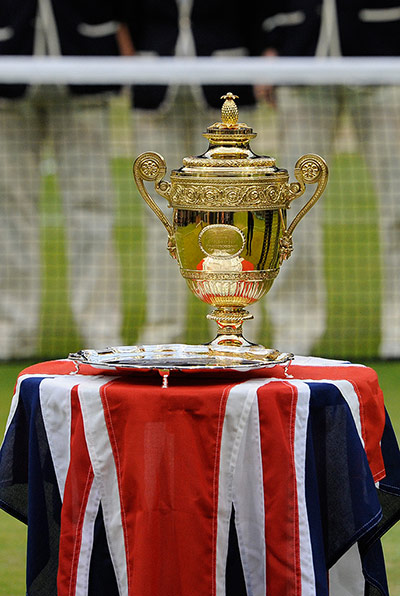
Here's the winner's trophy which he so desperately wanted, with the runner's up plate beside it
Photograph: Tom Jenkins for The Guardian
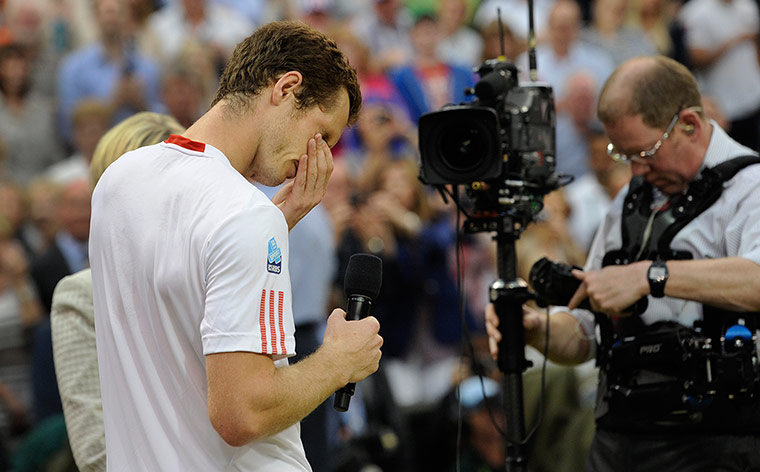
As he rises to accept the plate and to address the crowd, his emotions overwhelm him
Photograph: Tom Jenkins for The Guardian
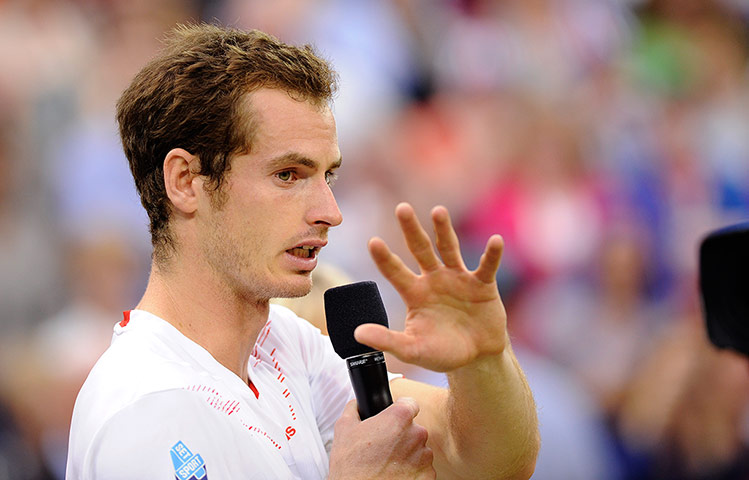
He manages to thanks the crowd for their support and quips that his opponent is "not bad for a 30-year-old"
Photograph: Tom Jenkins for The Guardian
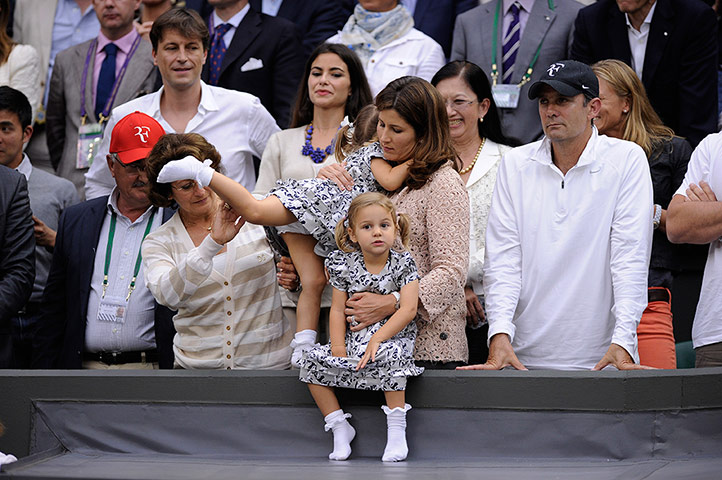
Federer's wife Mirka and thier twin daughters watch from the box
Photograph: Tom Jenkins for The Guardian
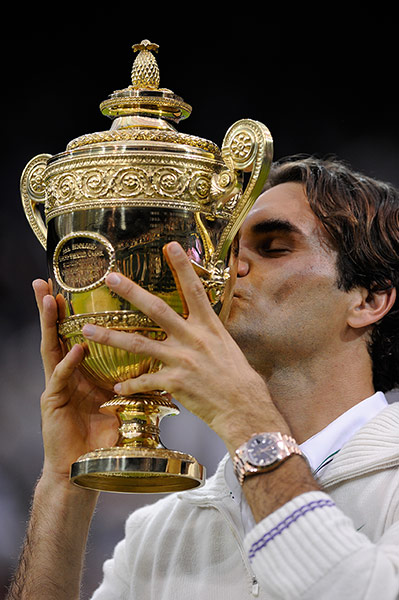
It's been three years since he held the winner's trophy, but now it's back in his grasp
Photograph: Tom Jenkins for The Guardian
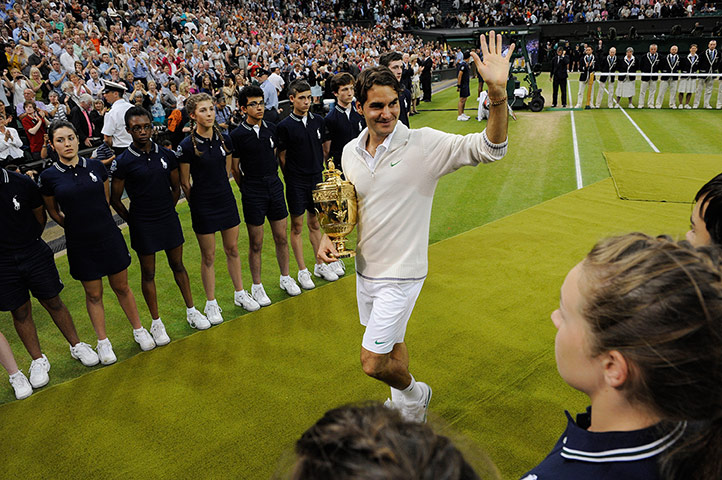
Federer takes his leave of the court with his prize
Photograph: Tom Jenkins for The Guardian
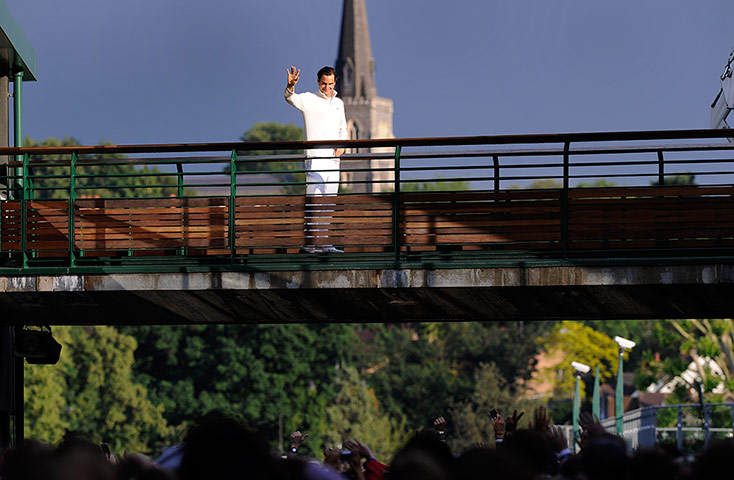
After such an unpredictable tournament, there's a familiar winner on the walkway outside centre court at the end of the day, where crowds have gathered to greet the new champion
Photograph: Tom Jenkins for The Guardian
The Guardian
Comments